






WINTER TERM
JANUARY 22 2026
LOS ANGELES
WINTER TERM
JANUARY 22 2026
LOS ANGELES
HANNAH
HANNAH KANG


BEHOLD!
BEHOLD! TheGalacticUltra-PremierAcademyofStylizedCharacterWizardry™—ahyper-elite,platinum,double-secretcaballedbyDreamWorks’GrandmasterMesh-Wizard&BenevolentServantofEdgeFlow,Hannah“AppealWhisperer”Kang.Forascendantdemigodsofcharactermodelingand3Dvis-devwhodemanddirector-levelmodel-overssopowerfulyourquadsalignthemselves.Baskincinematiccameraritesandcelestiallightingincantationsthatforgefeature-qualityshotscapableofsummoningrecruiters,openingportals,andupgradingyourGPUthroughsheerawe.Zeromercy.Infinitepolygons.Certificatesembossedwithstardust.Freecape.
mentorship
mentorship
(04)

Program
10-week live mentorship. Only 10 seats. Studio-level polish with weekly live model-overs + critique. Up to 5 hours/week live: ~3 hours demos + model-overs, plus up to 2 hours Study Hall + dailies.

Program
10-week live mentorship. Only 10 seats. Studio-level polish with weekly live model-overs + critique. Up to 5 hours/week live: ~3 hours demos + model-overs, plus up to 2 hours Study Hall + dailies.

Who
Artists aiming to finish a stand-out portfolio piece or pros stuck near the finish who want a push to production-level results.

Who
Artists aiming to finish a stand-out portfolio piece or pros stuck near the finish who want a push to production-level results.

What
Stylized vs. realism, lighting & color, present your work like a feature artist, push to done, and the production mindset.

What
Stylized vs. realism, lighting & color, present your work like a feature artist, push to done, and the production mindset.
A Weekly Split Built for Maximum Growth
A production-style cadence: learn live, ship weekly, get art direction, finish with live feedback.
This mentorship is structured like a real production environment—clear weekly targets, consistent check-ins, and direct feedback that compounds. Each week starts with a live demo (recorded for convenience) so you can learn the workflow, then you move into art direction check-ins through 30-minute 1:1 dailies / study hall focused on your roadblocks—design decisions, color theory, and execution. We close the week with live model-overs and feedback so you can see exactly what to adjust and why. With a limited cohort and flexible scheduling across time zones, every artist gets a true mentorship experience—without traditional school pricing

HANNAH
Weekly Live Demo + Q&A
Thursdays • 6:00 PM (Los Angeles / PT) Recorded
Live instruction + Q&A, recorded so you can rewatch and apply the process on your schedule.
HANNAH
Weekly Live Demo + Q&A
Thursdays • 6:00 PM (Los Angeles / PT)
Live instruction + Q&A, recorded so you can rewatch and apply the process on your schedule.

TRAVIS
Weekly AD / Dailies + Study Hall
30-minute 1:1 check-ins (flex scheduling)
Targeted art direction on your roadblocks with redlines, paintovers, and next-step assignments to keep you moving like a production team.
TRAVIS
Weekly AD / Dailies + Study Hall
30-minute 1:1 check-ins (flex scheduling)
Targeted art direction on your roadblocks with redlines, paintovers, and next-step assignments to keep you moving like a production team.

HANNAH
Live Model-Overs + Feedback
SATURDAYS 9:30 -12:30 PM PT
(End-of-Week Model-Overs)
End-of-week live feedback to tighten your forms, improve clarity, and level up execution—so you leave the week with tangible upgrades.
HANNAH
Live Model-Overs + Feedback
SATURDAYS 9:30 -12:30 PM PT
(End-of-Week Model-Overs)
End-of-week live feedback to tighten your forms, improve clarity, and level up execution—so you leave the week with tangible upgrades.
Up to ~45 minutes of 1:1 time per week (per student) with time-zone flexibility
—a true mentorship experience at a fraction
of traditional school + premium mentorship pricing.
—a true mentorship experience at a fraction
of traditional school + premium mentorship pricing.


CLASS TIME MANAGEMENT
WEEKLY TIME BREAKDOWNS BY ZONES
1 -ON- 1
ART DIRECTION / REDLINES
THURSDAY
DEMO Q AND A
SATURDAY
REVIEW AND MODEL OVER
1 -ON- 1
ART DIRECTION / REDLINES
THURSDAY
DEMO Q AND A
SATURDAY
REVIEW AND MODEL OVER
SATURDAY
REVIEW AND MODEL OVER
THURSDAY
DEMO Q AND A
THURSDAY LIVE DEMO + Q&A (Recorded)
Hannah • Weekly Teaching Block
PT (Los Angeles): Thu 6:00 PM
ET (US East): Thu 9:00 PM
INTERNATIONAL:
• Fri 2:00 AM UK
• Fri 3:00 AM Europe
• Thu 11:00 PM S. America
• Fri 1:00 PM Sydney
INTERNATIONAL:
• Fri 2:00 AM UK
• Fri 3:00 AM Europe
• Thu 11:00 PM S. America
• Fri 1:00 PM Sydney
AD DAILIES / STUDY HALL (Optional 1:1)
Travis • Redlines + Art Direction
PT (Los Angeles): 12:00–2:00 PM (Mon/Wed/Thu/Fri) Additional evening spots availible wednesday 8-10pm pt
ET (US East): 3:00–5:00 PM
INTL:
• 8–10 PM UK
• 9–11 PM Europe
• 5–7 PM S. America
• 7–9 AM Sydney (next day)
SATURDAY LIVE CRITS (Up to 3 Hours) Recorded
Hannah • End-of-Week Feedback + Model-Overs
PT (Los Angeles): 9:30 AM–12:30 PM
ET (US East): 12:30–3:00 PM
INTL:
• 5:30–8:00 PM UK
• 6:30–9:00 PM Europe
• 2:30–5:00 PM S. America
• 4:30–7:00 AM Sydney (next day)
AD DAILIES / STUDY HALL (Optional 1:1)
Travis • Redlines + Art Direction
PT (Los Angeles): 12:00–2:00 PM (Mon/Wed/Thu/Fri) Additional evening 8pm to 10pm pt wednesdays
ET (US East): 3:00–5:00 PM
INTL:
• 8–10 PM UK
• 9–11 PM Europe
• 5–7 PM S. America
• 7–9 AM Sydney (next day)
SATURDAY LIVE CRITS (Up to 3 Hours)
Hannah • End-of-Week Feedback + Model-Overs
PT (Los Angeles): 9:30 AM–12:30 PM
ET (US East): 12:30–3:00 PM
INTL:
• 5:30–8:00 PM UK
• 6:30–9:00 PM Europe
• 2:30–5:00 PM S. America
• 4:30–7:00 AM Sydney (next day)
NUMBERS DON'T LIE
NUMBERS DON'T LIE


laugh, cry ,
finish the model
laugh,
cry ,
finish the model
Marketing that pokes fun at marketing keeps you focused on what’s real—rewarding growth. No gurus. We train as hard as you do. You move forward or you fall back—there’s no standing still.
In art there’s no “best.” There’s ability, potential, and appeal—the same studio-hardened habits artists have used for years to ship iconic characters and unforgettable stories. We’re not here to delete your ego; we’ll leash it and make it useful (sit, stay, ship). And no confetti claims like “Guaranteed job at Studio X!” This mentorship is about real progress toward studio-ready work and characters that resonate with appeal.
We start where you are: How trained is your eye? How steady is your hand? How solid is your foundation? Then we map your track:
Form, anatomy, planes, silhouette, appeal—the classic pillars.
Study hall: color theory, lighting, proportions, design rules.
Weekly critiques: small, steady wins that stick—XP you keep.
The goal isn’t louder likes; it’s clearer characters. By the end, you’re building pieces that read, resonate, and sit comfortably next to professional work—with a repeatable process you can run again and again. We poke fun at our own marketing because the work should do the talking. Yours will.
If this is the lift you’ve been looking for, join us.
10 seats only—save your spot.
Marketing that pokes fun at marketing keeps you focused on what’s real—rewarding growth. No gurus. We train as hard as you do. You move forward or you fall back—there’s no standing still.
In art there’s no “best.” There’s ability, potential, and appeal—the same studio-hardened habits artists have used for years to ship iconic characters and unforgettable stories. We’re not here to delete your ego; we’ll leash it and make it useful (sit, stay, ship). And no confetti claims like “Guaranteed job at Studio X!” This mentorship is about real progress toward studio-ready work and characters that resonate with appeal.
We start where you are: How trained is your eye? How steady is your hand? How solid is your foundation? Then we map your track:
Form, anatomy, planes, silhouette, appeal—the classic pillars.
Study hall: color theory, lighting, proportions, design rules.
Weekly critiques: small, steady wins that stick—XP you keep.
The goal isn’t louder likes; it’s clearer characters. By the end, you’re building pieces that read, resonate, and sit comfortably next to professional work—with a repeatable process you can run again and again. We poke fun at our own marketing because the work should do the talking. Yours will.
If this is the lift you’ve been looking for, join us.
10 seats only—save your spot.


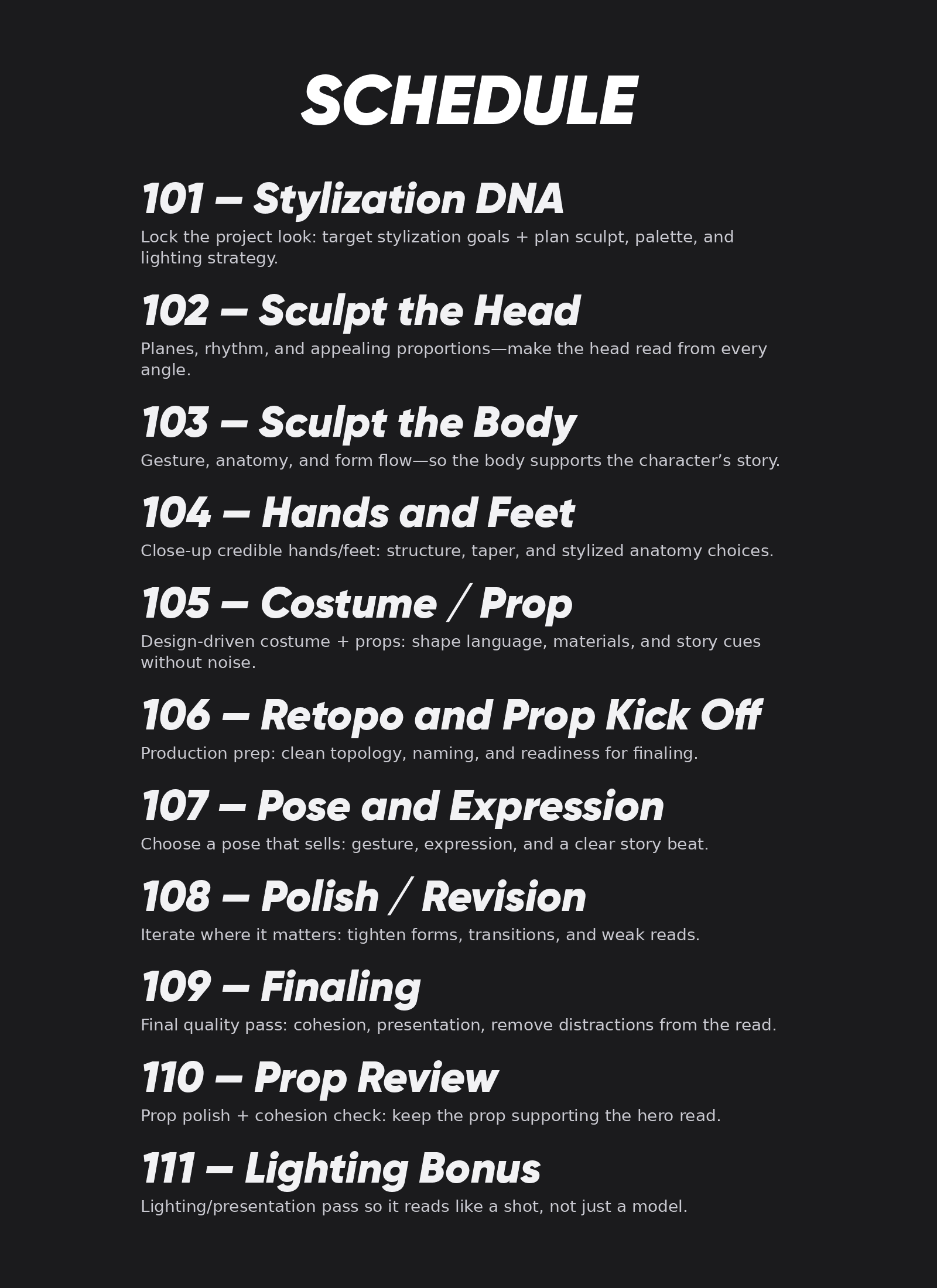
schedule
101
.

Stylization DNA
develop skills for breaking down targeted aspects of character concept that help zero in on the look of the project and how to stay within those goals Plan out the sculpt color pallete and lighting challenges and strategy week one to prevent hang ups during your production
Stylization DNA
102
.

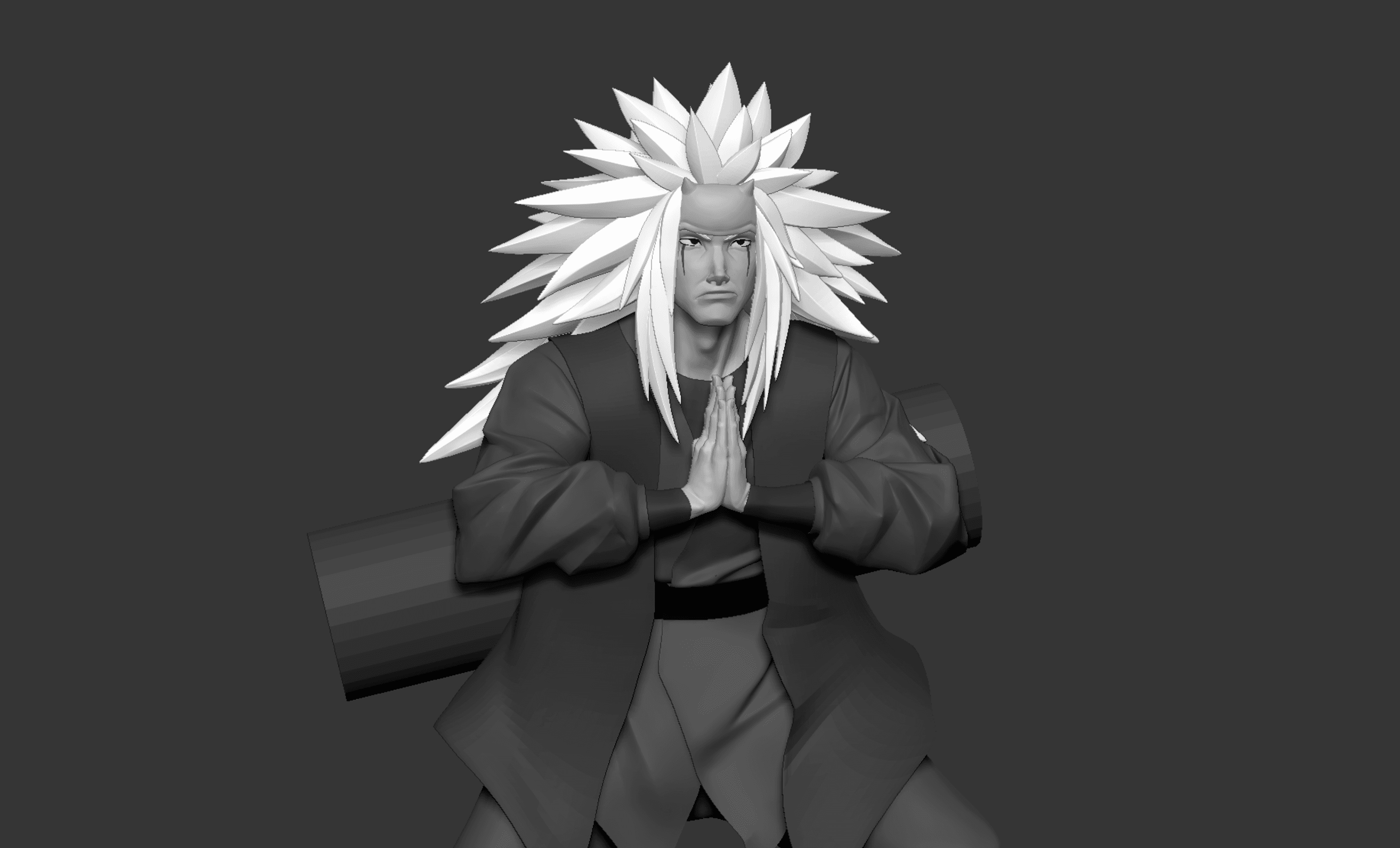
Sculpt the Head
Build a head that reads from every angle: planes, rhythm, and appealing proportion.
Sculpt the Head
103
.

Sculpt the Body
Lock gesture, anatomy, and form flow so the body supports the character’s story
Sculpt the Body
104
.

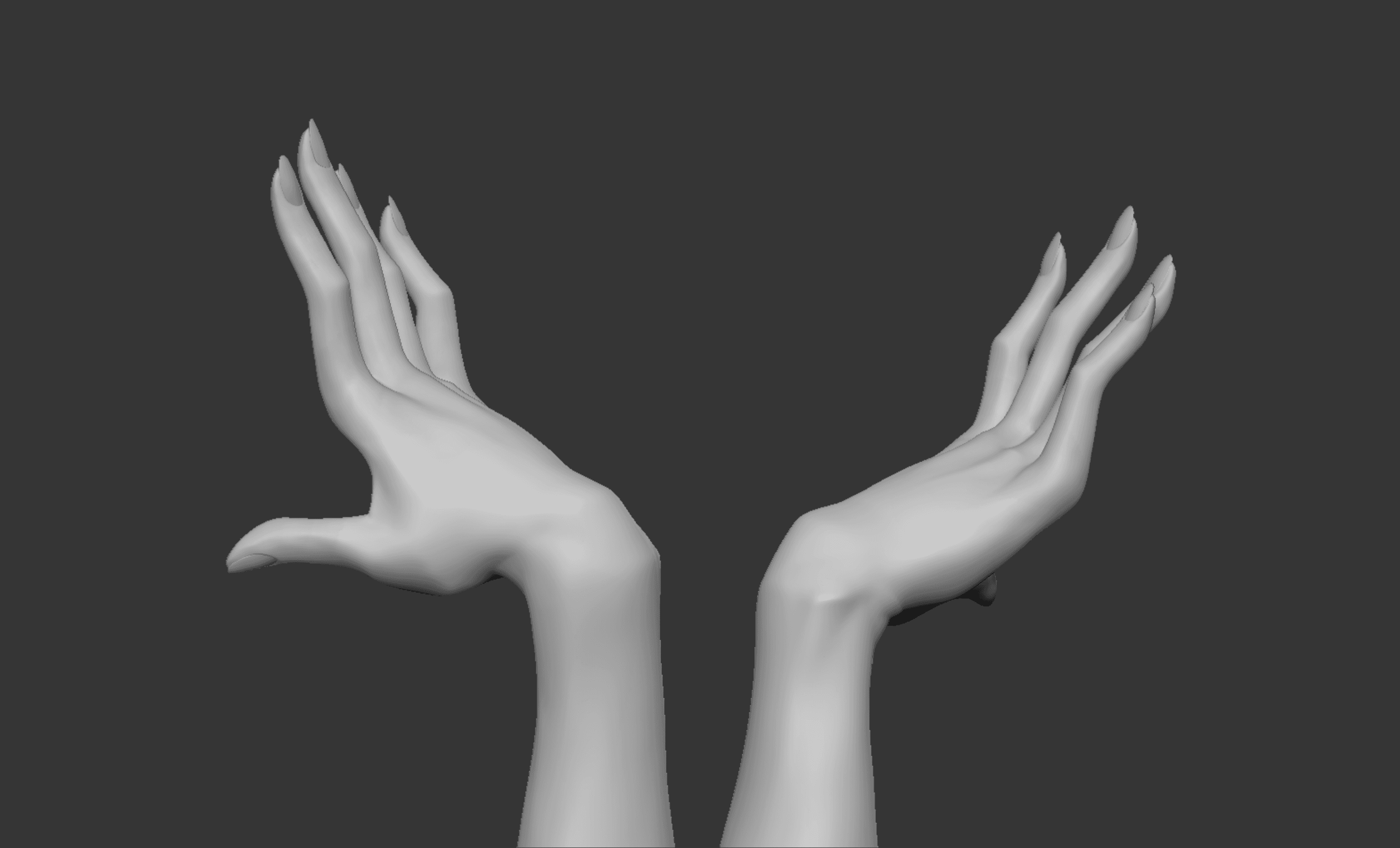
Hand and Feet
Hands and feet that hold up in close‑ups: structure, taper, and stylized anatomy choices.
Hand and Feet
105
.

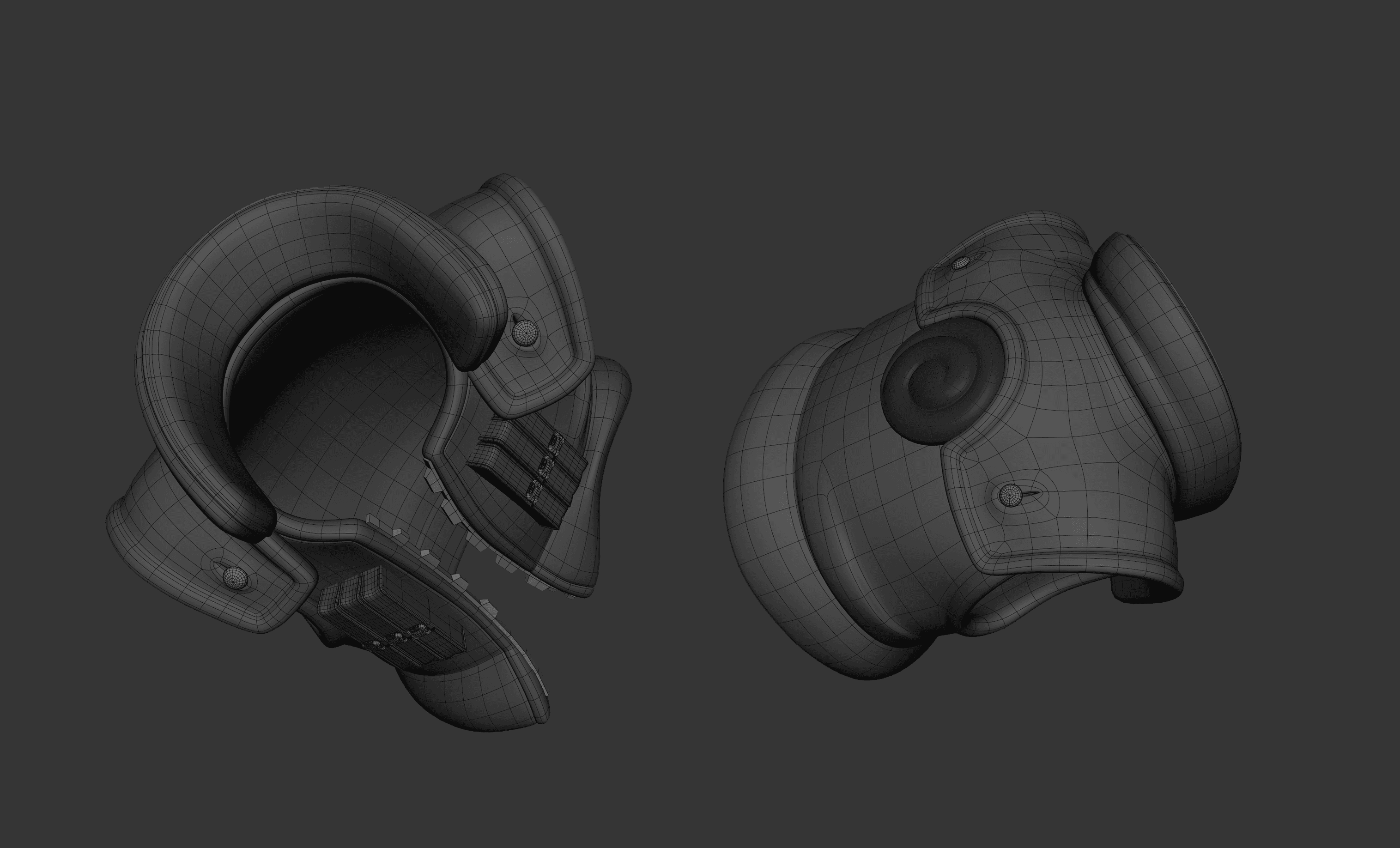
Costume/Prop
Design‑driven costume/props: supporting shapes, materials, and story cues without noise.
Costume/Prop
106
.

Retopo and Prep
Prep your character like production: clean topology, naming, and readiness for finaling.
Retopo and Prep
107
.

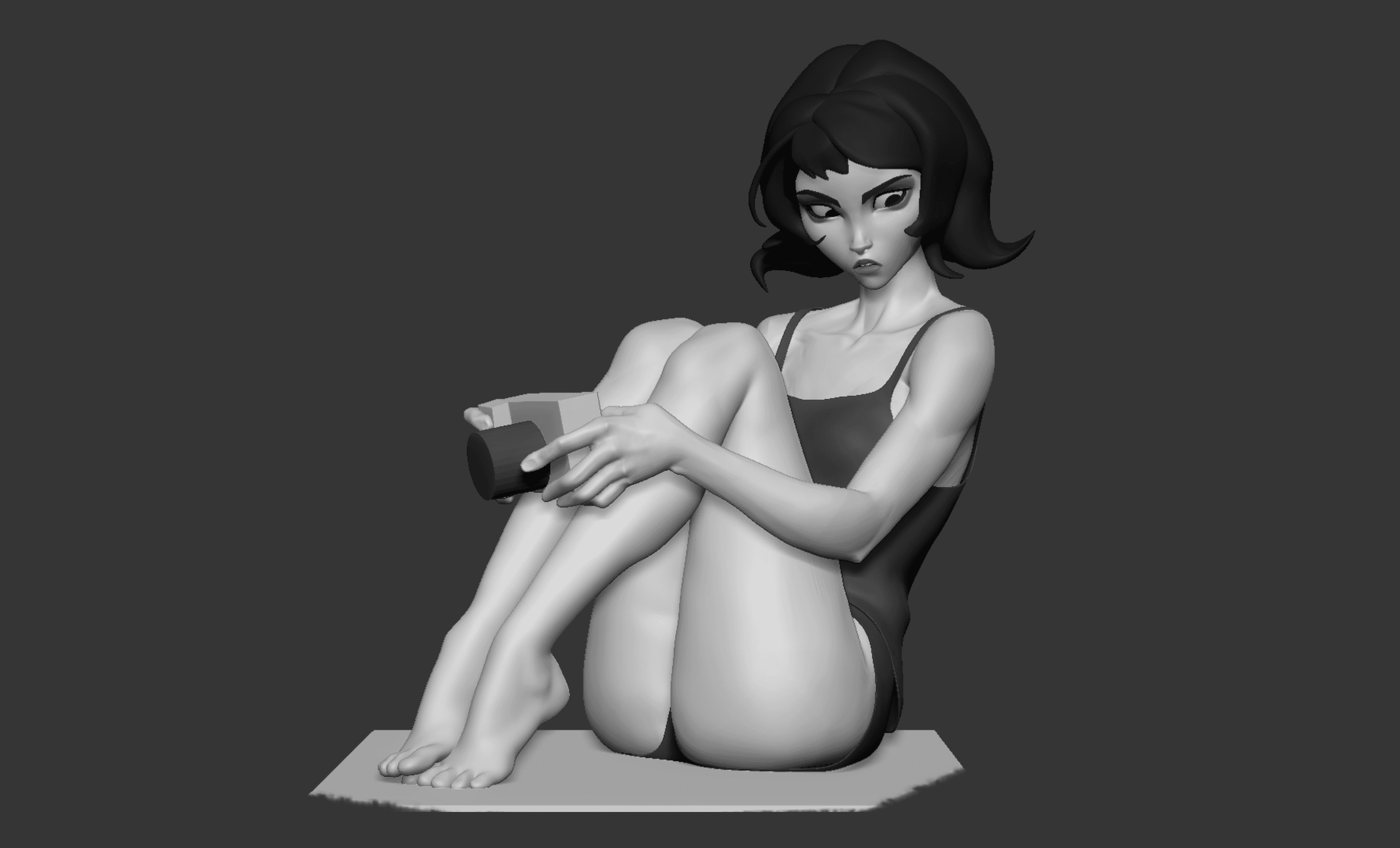
Pose and Expression
Choose a pose that sells the character: gesture, expression, and a clear story beat.
Pose and Expression
108
.

Polish / Revision
Iterate where it matters: tighten forms, improve transitions, and fix the reads that weaken the shot.
Polish / Revision
109
.

Finaling
Final quality pass: cohesion, presentation, and removing anything that distracts from the read.
Finaling
110
.

Lighting Bonus
A focused lighting/presentation bonus so the final reads like a shot, not just a model.
Lighting Bonus


focus
STEP 1
.
Discovery & Direction
We start like a studio kickoff: define your brief, taste targets, and what “on-model” actually means. We audit your current work, identify the real bottlenecks (design, anatomy, workflow, or taste), and build a focused plan that protects your time while raising the bar.
STEP 2
.
Project DNA
This is where the character becomes a designed performer—not just a model. We lock the visual DNA: level of stylization, proportion rules, shape language, and the “push / don’t push” boundaries so you always know when you’ve gone too far (or not far enough).
STEP 3
.
Studio Notes & Refinement
Your voice, studio-ready. Whether cozy-cute characters or bold splash art, we help your choices sing—clean silhouette, honest charm, broad appeal—without sanding off your personality. You get direct, studio-style feedback: clear notes, paintovers, and model-overs that show exactly what to change and why.
STEP 4
.
Repeatable Pipeline & Growth
You leave with more than a final image—you leave with a repeatable process. We turn your decisions into a working playbook: style rules, checkpoints, and a presentation recipe you can apply to the next character. Each project gets faster, cleaner, and more confidently “you,” with studio-level consistency.


FAQ
Got specific questions?
Who is this course for?
This mentorship is built for artists who want to level up real production skills—whether you’re: Newer / early-stage: you need structure, fundamentals, and a repeatable workflow (so you stop guessing). Intermediate: you want stronger taste, cleaner decisions, and faster iteration. Working artists / pros: you want sharper appeal, better readability, and more art-department caliber decision making. The critique scales to your level. The goal is measurable improvement without shortcuts.
Who leads the mentorship—and what does Travis do?
Hannah leads the course. She drives the core instruction and critique: appeal, process, and decision-making—the stuff that upgrades your work and your speed. Travis is a supporting second-tier pass—like working with a Modeling Supervisor / AD. His job is to reinforce Hannah’s direction by checking: whether the work is staying on-target to the concept intent where the fundamentals and appeal need a boost and where your eye vs. hand are out of sync—so you level both at the same rate This is support, not competing direction.
How does feedback work—what do I actually receive?
You’ll get weekly feedback designed to feel like studio dailies: Redlines / paintovers (clear visual fixes) A priority checklist (what matters most first) A next target (so you always know what you’re aiming at next) That “priority + target” structure is what keeps artists moving without stalling or polishing the wrong thing.
What will I have finished by the end—what’s the deliverable?
You’ll finish with a strong production-style pass of your character for your current level—and (more importantly) the ability to repeat the pipeline on the next piece. A helpful way to think about it: we aim for a first-pass studio assignment cadence—roughly a two-week push with multiple rounds of critique and revision (dailies mindset). Some students will reach a very polished result inside the class window; many will take 2–4 weeks after to fully absorb the notes and push to their personal finish line—without taking shortcuts. The goal is: real fundamentals recruiters can see, not fake polish.
What does “production-tested” mean in this course?
It means we train the same habits studios rely on: clarity first (big read, silhouette, proportions) intentional stylization (push vs. restraint) high-ROI revisions (fix what changes the whole piece, not what’s easiest) repeatable decision making (so you can self-diagnose, not just follow notes) You learn how to think like a teammate in a pipeline—not just how to make something pretty.
What’s the weekly structure—how do I stay on track?
We run on a milestone roadmap so you always know what “good progress” looks like: design alignment / targets primary + secondary forms refinement where it matters readability + lighting/presentation fundamentals You’re never wondering “what should I do next?”—your next target is explicit. We provides software and handouts for homework, as well as class journal to track your progress.
How much time should I budget per week?
If you want to push hard within the class window, treat it like a real sprint: ~2 hours/day is a strong pace for consistent results. If you can’t hit that pace, you can still improve a lot—we’ll adjust scope so your progress stays honest and focused on fundamentals (not rushed surface polish).
What if I fall behind or need more time to finish?
That’s normal. The course is designed so you leave with: a strong, shippable pass for your level clear priorities for what matters next a roadmap you can follow for 2–4 weeks post-class to keep improving without guesswork The win is that you’ll know exactly how far you can take the piece and what it needs—no wandering.
How does this help me move from “modeler” toward visual development / art department work?
We focus on the bridge skills that change your trajectory: design intent (what the character is saying and why choices support it) appeal + readability (what reads in 5 seconds) taste + simplification (what to remove, what to emphasize) communication (how to iterate with direction, like production) That’s the shift from “I can execute” to “I can make decisions.”
What software/pipeline do you support?
We focus on transferable fundamentals across common pipelines (ZBrush + Maya/Arnold or Blender, and real-time presentation where relevant). You won’t be locked into one tool—the priority is clean process, clear forms, and production-grade decision making.
Who is this course for?
This mentorship is built for artists who want to level up real production skills—whether you’re: Newer / early-stage: you need structure, fundamentals, and a repeatable workflow (so you stop guessing). Intermediate: you want stronger taste, cleaner decisions, and faster iteration. Working artists / pros: you want sharper appeal, better readability, and more art-department caliber decision making. The critique scales to your level. The goal is measurable improvement without shortcuts.
Who leads the mentorship—and what does Travis do?
Hannah leads the course. She drives the core instruction and critique: appeal, process, and decision-making—the stuff that upgrades your work and your speed. Travis is a supporting second-tier pass—like working with a Modeling Supervisor / AD. His job is to reinforce Hannah’s direction by checking: whether the work is staying on-target to the concept intent where the fundamentals and appeal need a boost and where your eye vs. hand are out of sync—so you level both at the same rate This is support, not competing direction.
How does feedback work—what do I actually receive?
You’ll get weekly feedback designed to feel like studio dailies: Redlines / paintovers (clear visual fixes) A priority checklist (what matters most first) A next target (so you always know what you’re aiming at next) That “priority + target” structure is what keeps artists moving without stalling or polishing the wrong thing.
What will I have finished by the end—what’s the deliverable?
You’ll finish with a strong production-style pass of your character for your current level—and (more importantly) the ability to repeat the pipeline on the next piece. A helpful way to think about it: we aim for a first-pass studio assignment cadence—roughly a two-week push with multiple rounds of critique and revision (dailies mindset). Some students will reach a very polished result inside the class window; many will take 2–4 weeks after to fully absorb the notes and push to their personal finish line—without taking shortcuts. The goal is: real fundamentals recruiters can see, not fake polish.
What does “production-tested” mean in this course?
It means we train the same habits studios rely on: clarity first (big read, silhouette, proportions) intentional stylization (push vs. restraint) high-ROI revisions (fix what changes the whole piece, not what’s easiest) repeatable decision making (so you can self-diagnose, not just follow notes) You learn how to think like a teammate in a pipeline—not just how to make something pretty.
What’s the weekly structure—how do I stay on track?
We run on a milestone roadmap so you always know what “good progress” looks like: design alignment / targets primary + secondary forms refinement where it matters readability + lighting/presentation fundamentals You’re never wondering “what should I do next?”—your next target is explicit. We provides software and handouts for homework, as well as class journal to track your progress.
How much time should I budget per week?
If you want to push hard within the class window, treat it like a real sprint: ~2 hours/day is a strong pace for consistent results. If you can’t hit that pace, you can still improve a lot—we’ll adjust scope so your progress stays honest and focused on fundamentals (not rushed surface polish).
What if I fall behind or need more time to finish?
That’s normal. The course is designed so you leave with: a strong, shippable pass for your level clear priorities for what matters next a roadmap you can follow for 2–4 weeks post-class to keep improving without guesswork The win is that you’ll know exactly how far you can take the piece and what it needs—no wandering.
How does this help me move from “modeler” toward visual development / art department work?
We focus on the bridge skills that change your trajectory: design intent (what the character is saying and why choices support it) appeal + readability (what reads in 5 seconds) taste + simplification (what to remove, what to emphasize) communication (how to iterate with direction, like production) That’s the shift from “I can execute” to “I can make decisions.”
What software/pipeline do you support?
We focus on transferable fundamentals across common pipelines (ZBrush + Maya/Arnold or Blender, and real-time presentation where relevant). You won’t be locked into one tool—the priority is clean process, clear forms, and production-grade decision making.


Character Modeling Mentorship Tuition
Limited seats, maximum attention build portfolio-ready characters with expert direction.
MENTORSHIP
PRICING WINTER TERM
SOLD OUT!
$1200
Waitlist members get first access when enrollment opens—and seats typically sell out within the first week. Join the waitlist below to be notified the moment tickets go live
Spring Term Starts
March 2026
MENTORSHIP
MEET UP TO 3X A WEEK FOR A CLASS SIZED PRICE
Live meet-ups twice a week — up to 5 hours total of crits, demos, and work sessions (not short demos)
Class recordings are yours to keep — all demos & critiques, so you can review as you grow
Art department foundations, not just tips & tricks — appeal, shape language, visual storytelling, and how to think like an art director
Software + tools setup — color theory helpers, character concept and prep tools, stylization targets, and systems to keep you creating beyond the mentorship
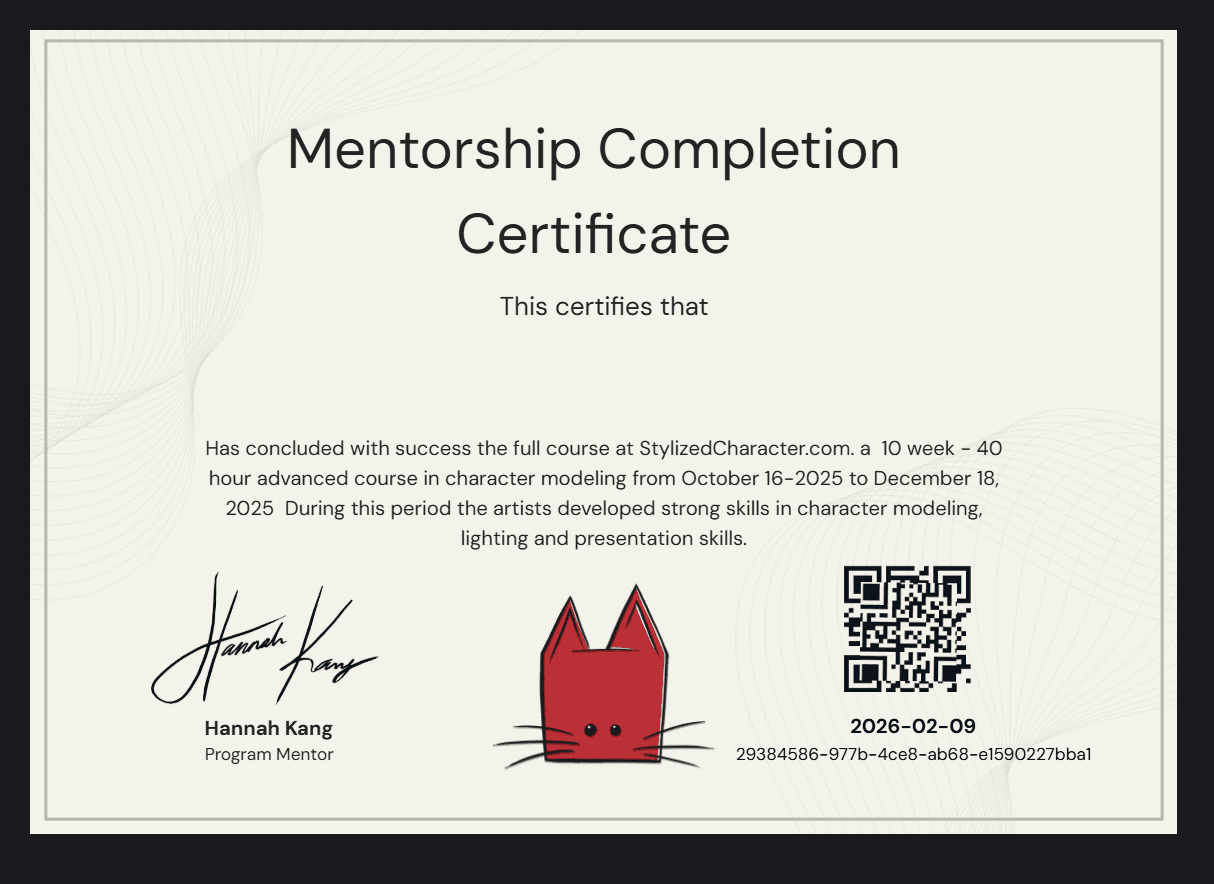
Certificate of completion with QR code verification for studio/education reimbursement
Exclusive Discord community for continued feedback, accountability, and networking
Bonus content: Week 2 lighting setup, rigging, and color-palette demo (from the Demo Reel course)
Small group: 10 seats only — focused attention on your work
WAITLIST
PRO CHARACTER LAB
PRICING
SOLD OUT!
$1000
JOIN THE WAIT LIST FOR DETAILS
WEBINAR DEC 19 FOR NEXT TERM FEB -MAR 2026
Pro Character Lab
Take stuck characters to the finish line -showcase your visual development skills.
An 8-week, studio-style sprint that turns “almost there” into portfolio-ready—with clear targets, high-impact design fixes, and lighting/key art that sells the character.
Week 1: Triage + fix-list (sculpt, costume, pose, expression) + focused reference plan
Week 2: Palette + value clarity + top 2–3 priority fixes for readability/appeal
Week 3: Proportion, rhythm, weight + line of action (kill “floaty mannequin”)
Week 4: Expression + final model polish (specific, castable acting choices)
Week 5: Single-light foundations + mood control
(falloff/contrast/softness)
Week 6: Portrait rigs for beauty, drama, and key art (reusable )
Week 7: Lighting “recipes” + presets you can repeat across future characters
Week 8: Final hero key art + atmosphere, framing, and polish
Pro Character Lab
Take stuck characters to the finish line -showcase your visual development skills.
An 8-week, studio-style sprint that turns “almost there” into portfolio-ready—with clear targets, high-impact design fixes, and lighting/key art that sells the character.
Week 1: Triage + fix-list (sculpt, costume, pose, expression) + focused reference plan
Week 2: Palette + value clarity + top 2–3 priority fixes for readability/appeal
Week 3: Proportion, rhythm, weight + line of action (kill “floaty mannequin”)
Week 4: Expression + final model polish (specific, castable acting choices)
Week 5: Single-light foundations + mood control
(falloff/contrast/softness)
Week 6: Portrait rigs for beauty, drama, and key art (reusable )
Week 7: Lighting “recipes” + presets you can repeat across future characters
Week 8: Final hero key art + atmosphere, framing, and polish
WAITLIST
WAITLIST